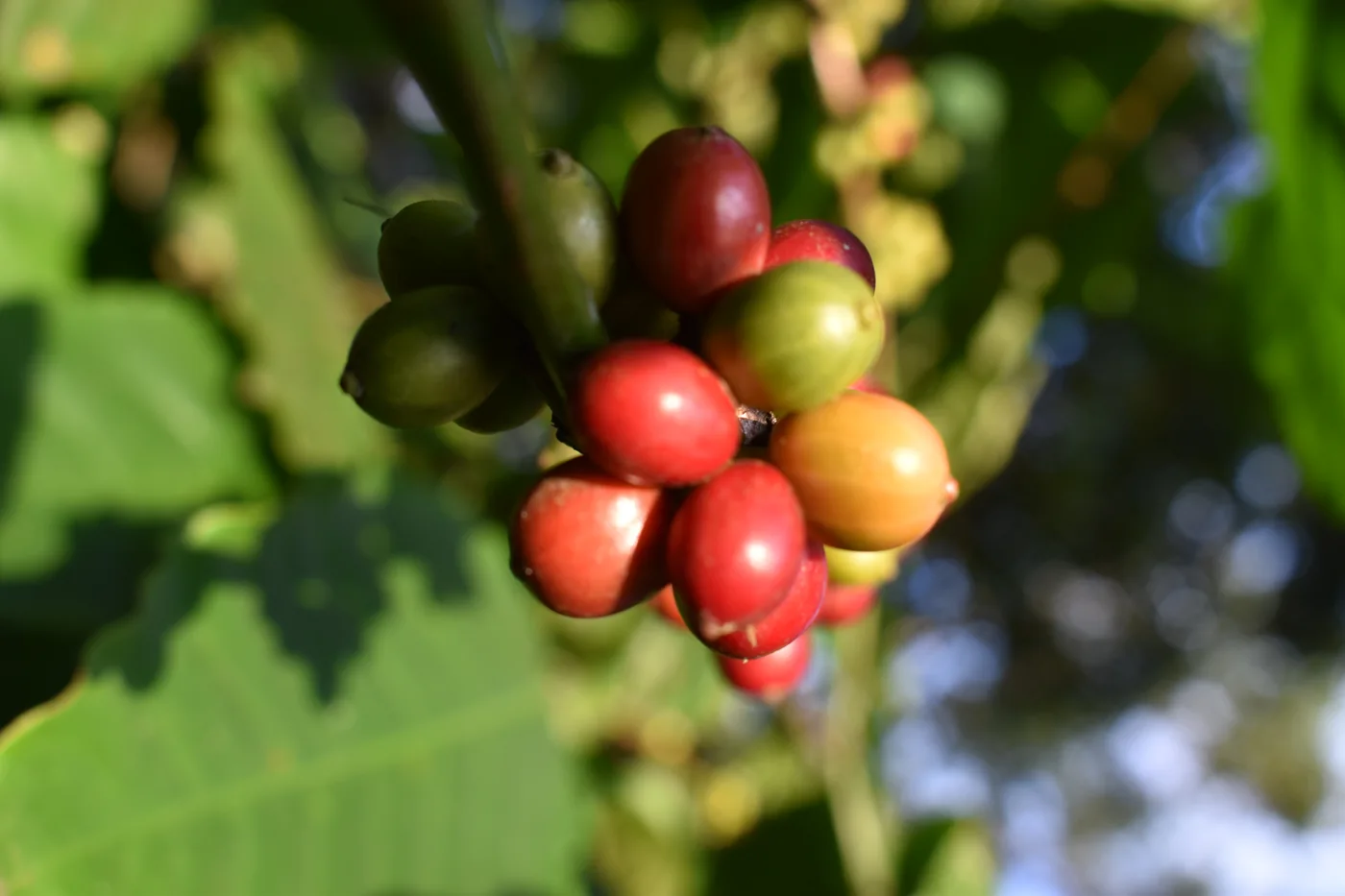
Coffee in Keralam, also known as Kerala, begins with the people who grow, process, roast and serve it. Following those connections makes it easier to find what you are looking for: a Wayanad producer, a Keralam roaster, a bag for home or a place to taste something new.
This guide starts at origin and follows the coffee towards the café. For a closer look at the people and gatherings in Malabar, continue with our Kozhikode specialty coffee culture story.
Keralam’s place in Indian coffee
The Coffee Board of India’s final estimate for 2025–26 records 80,350 tonnes of coffee from Keralam, placing it second among India’s coffee-producing states, after Karnataka. The total comprises 78,275 tonnes of Robusta and 2,075 tonnes of Arabica. These are production figures, rather than a ranking of coffee exports or a measure of specialty-grade output.
The scale of the crop is one part of the story. For someone choosing a coffee, the useful next step is identifying the producer and the particular lot: where it was grown, how it was processed and who roasted it.
Where coffee grows in Keralam
The Coffee Board groups Keralam’s production under Wayanad, Travancore and Nelliampathies. These reporting regions should not be read as a list of today’s district boundaries.
Wayanad accounts for most of the state’s reported crop. Start with our Wayanad coffee guide, then follow the names of farms and producers. A regional name is useful, but a bag with a named grower and processing information tells you more about the coffee you are buying.
The high ranges and Nelliyampathy offer further places to explore. Our directory includes Windermere Estate near Munnar, Terra Vagamon Conservancy and Poabs Seethargundu in Nelliyampathy. Read each producer’s account before planning a visit; a working farm is not necessarily open for walk-in tastings.
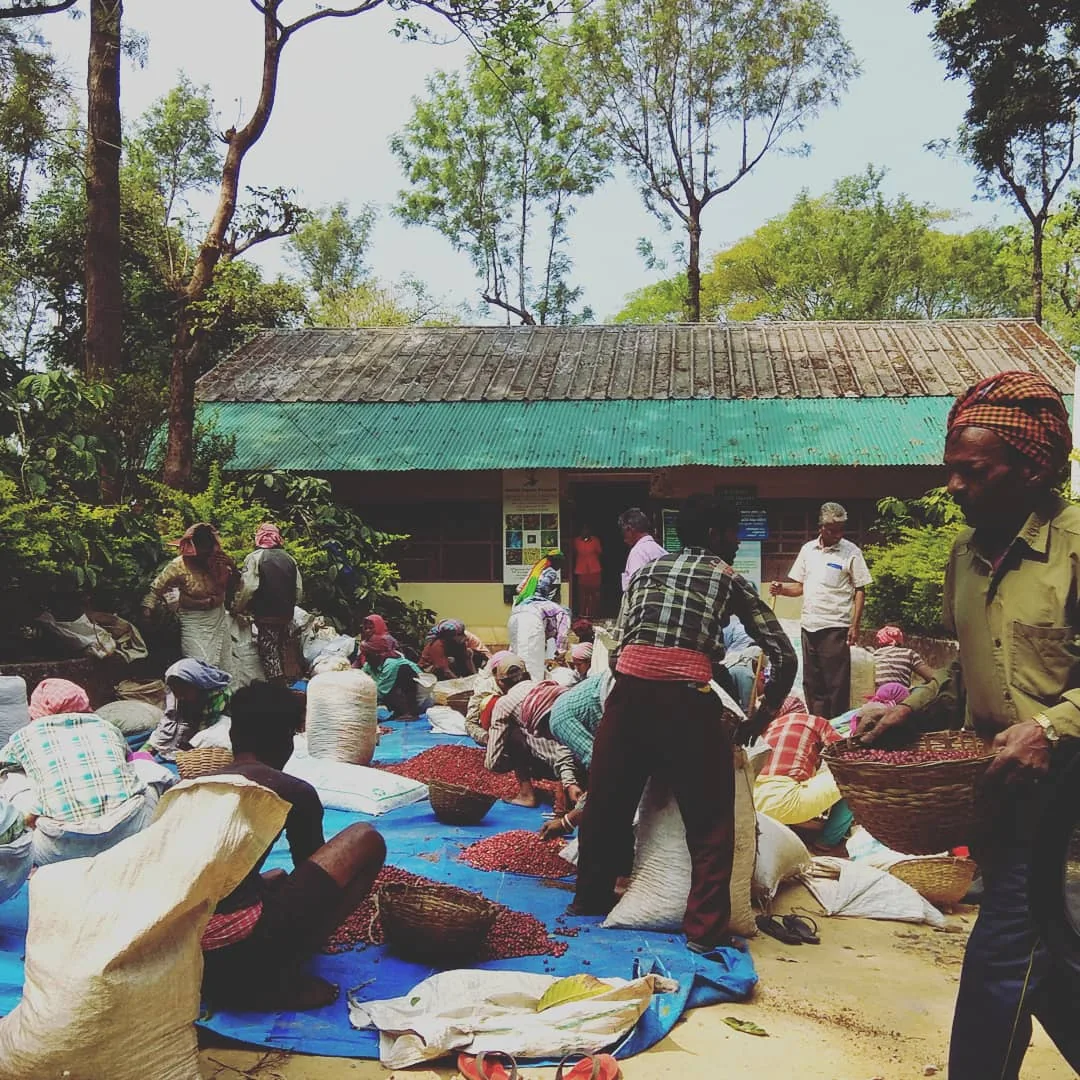
Arabica, Canephora and Excelsa
Arabica and Robusta are the two categories in the Coffee Board’s production table. Robusta is the familiar commercial name associated with Coffea canephora; you will also see Canephora used on specialty coffee bags and tasting programmes.
Some Keralam producers also work with Excelsa. Terra Vagamon’s Excelsa appears in Kerala Origins’ guide to the state’s producers and coffees. Follow the named lot and its producer rather than assuming that a species name predicts exactly how the coffee will taste.
A farm listing, an unusual fermentation or a premium price does not establish the quality of every harvest. Ask what was evaluated and whether the tasting description belongs to the coffee currently being sold. Our practical introduction to specialty coffee explains the terms you are likely to encounter.
Grown in Keralam and roasted in Keralam
These describe different stages. A Keralam roaster may buy coffee from Keralam, another Indian state or another country. A Keralam-grown coffee may be roasted elsewhere. Look for both the farm’s location and the roaster’s details on the bag.
In Kozhikode, Bermito Coffee Roasters and Urban Hippie Coffee Roasters provide starting points for exploring local roasting. Bermito is Kerala’s first specialty coffee roastery with its own roasting setup in the state. Their profiles link to official information and buying options. Ask what is available now, which coffees suit your brewer and whether the beans are intended for filter brewing, espresso or both.

Meet the producers through Kerala Origins
Kerala Origins was founded on 25 June 2026 by Vajid Kaitha Valappil of Bermito, Ephrem Joseph of Terra Vagamon Conservancy, Moideen Kalladi of Silent Valley Estate and Nihal Parambath of On Ground Farm. Its work brings producer knowledge together with roasting, sampling and tasting.
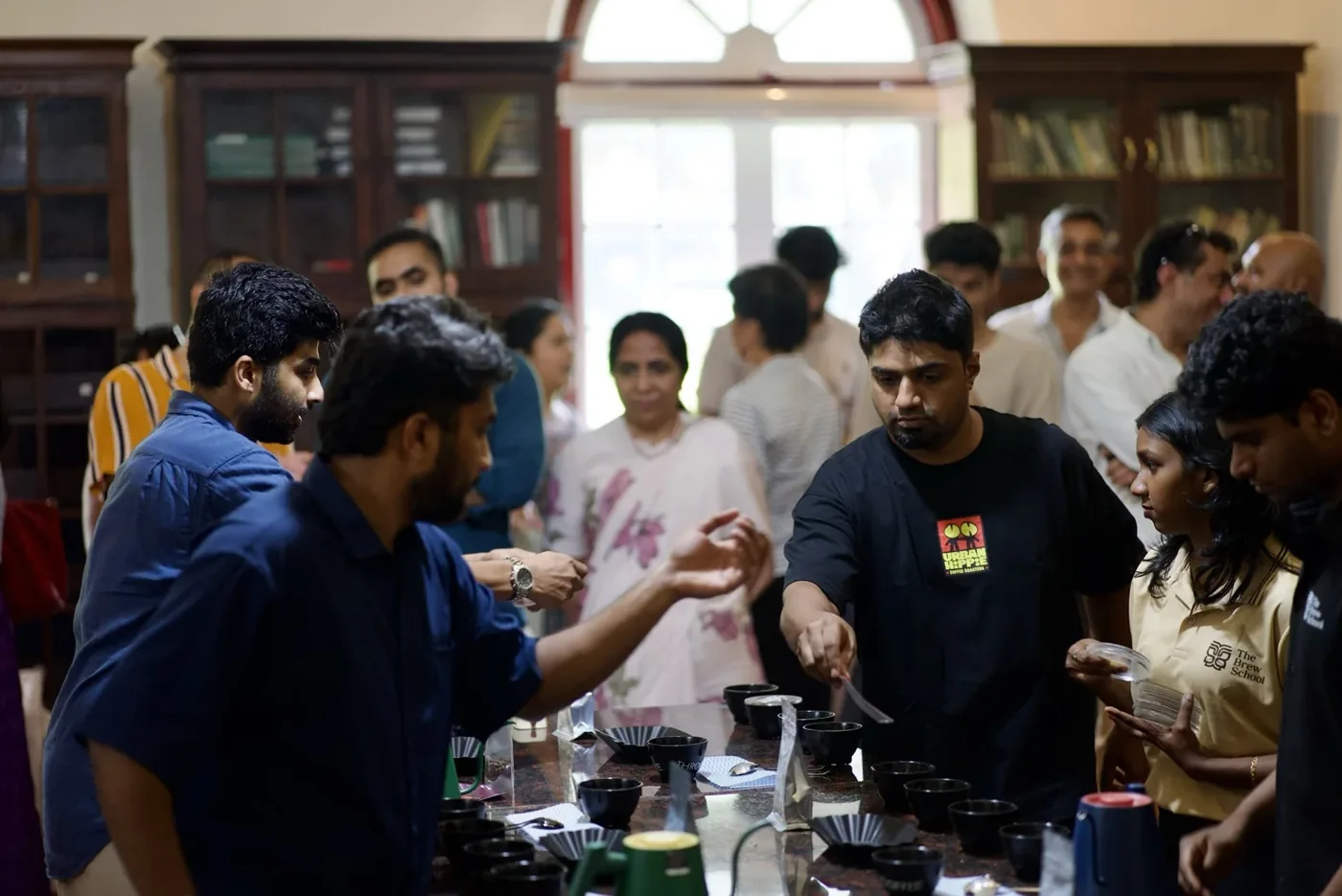
The initiative’s programme has included gatherings in Kozhikode and Kochi. Bermito’s contribution includes curating and roasting Keralam-grown coffees so that producers and visitors can discuss them around the same tasting table.
Our Keralam coffee producers guide follows individual estates and processing projects. Where a coffee involves several people, keep those credits separate: the grower, the processor and the roaster may each have a different role.
Find a café and follow its coffee
The city guides for Kozhikode (Calicut), Kochi and Thiruvananthapuram (Trivandrum) connect café listings with locations and official sources. Kozhikode and Calicut refer to the same city; the directory counts each business once.
The local history shared with this journal remembers Arayie The Earth Store as an early specialty coffee meeting place in Calicut and identifies Ekata as the coffee served there. Ekata’s own story describes a founding team from Malabar. These connections sit within the city’s wider coffee history, explored in our Kozhikode culture article.
At a café such as Sukoru, ask which coffee is on the bar that day. A short conversation about the producer, process and brew can be more useful than ordering from a method name alone.
Cuppings, festivals and community events
Cuppings and workshops give people a chance to compare coffees or try a brewing method with guidance. Our Keralam coffee events guide explains the different formats, while the events calendar separates future listings from past gatherings.
For one recent chapter, read Kerala Coffee Festival 2026 and Kozhikode’s coffee weekend. It covers the festival programme and independent café activities during the same weekend. Kerala Origins and Kerala Coffee Festival are separate initiatives.
Choose your next bag of Keralam coffee
Before buying, ask four practical questions:
- Where was it grown? Look for a named farm, producer or producer group.
- What is the coffee? Check the species or variety, process and available harvest or lot details.
- How should I brew it? Tell the roaster your equipment and whether you drink it black or with milk.
- What will arrive? Confirm roast date, bag size, whole beans or grind size, delivery and storage guidance.
Use the roasted coffee directory to find a seller, or explore farms and producers to start further back. Keep the name of a coffee you enjoyed: it gives you a reason to return to the producer’s next harvest.
Sources and editorial notes
- Coffee Board of India — production statistics, final estimate 2025–26.
- Coffee Board of India — Arabica and Canephora terminology.
- Kerala Origins — founding team and work with producers.
- Kerala Origins — regions, producers and coffee lots.
- Ekata — the founding team’s Malabar roots.
The Arayie serving connection comes from local history shared by Vajid of Bermito Coffee Roasters and Kerala Origins. Organisational accounts are linked to their original sources. This guide does not rate individual coffee lots. Read our editorial standards.