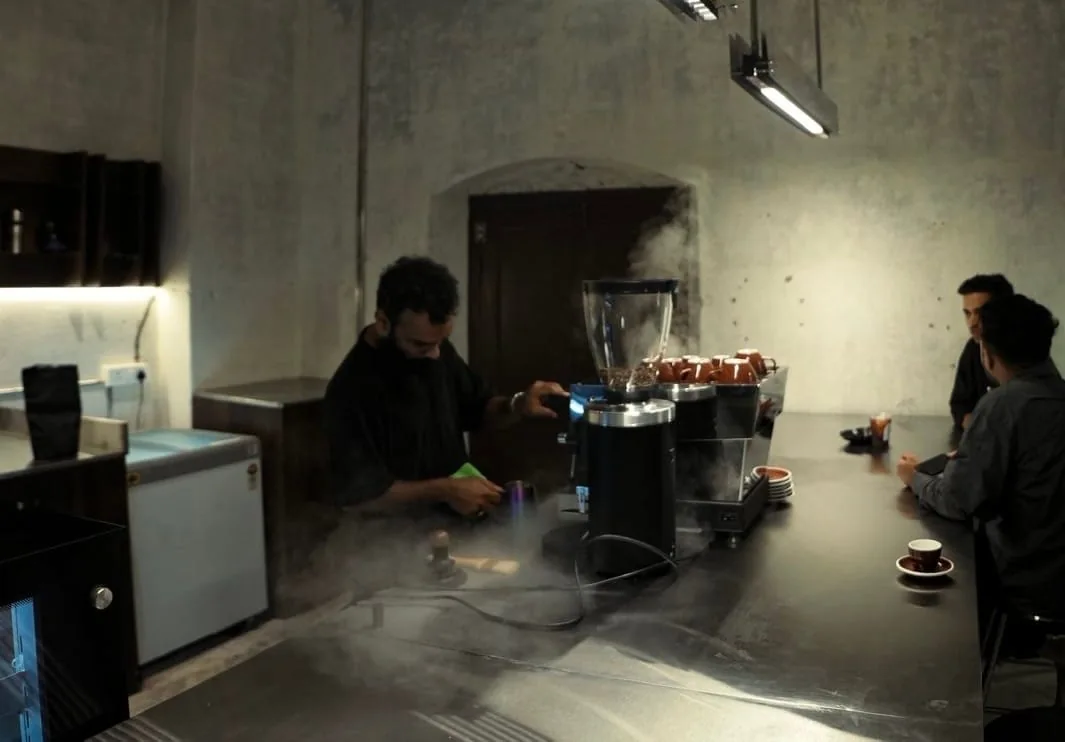
A café can have a beautiful room and a long coffee menu without telling you much about the coffee itself. If you want to know who roasted the beans, where they were grown or whether you can try a particular brewing method, finding the right place takes a little more work.
Specialty Coffee Keralam Map brings those details together. Our focus is the coffee being chosen, the equipment used to prepare it and the understanding behind those choices. We connect cafés with roasters, producers and places to learn, so you can follow your interest beyond a single cup.
Start with the coffee
For a café listing, the first question is straightforward: what coffee does this place use? We look for a clear connection to specialty coffee through its beans, named roaster, sourcing information or a documented coffee programme. A description that says only “premium coffee” tells us very little.
Useful details might include the producer or growing region, coffee species, processing method, roast date and the lot currently being served. Not every menu carries all of this information. What matters is that the coffee has an identifiable story and that the business can explain its choices.
The Specialty Coffee Association’s definition considers the distinctive qualities that give coffee value, including flavour and information about its origin and production. That is a broader view than an equipment label or a single numerical score. Our directory uses editorial criteria; it does not award an SCA certification.
Equipment should serve the coffee
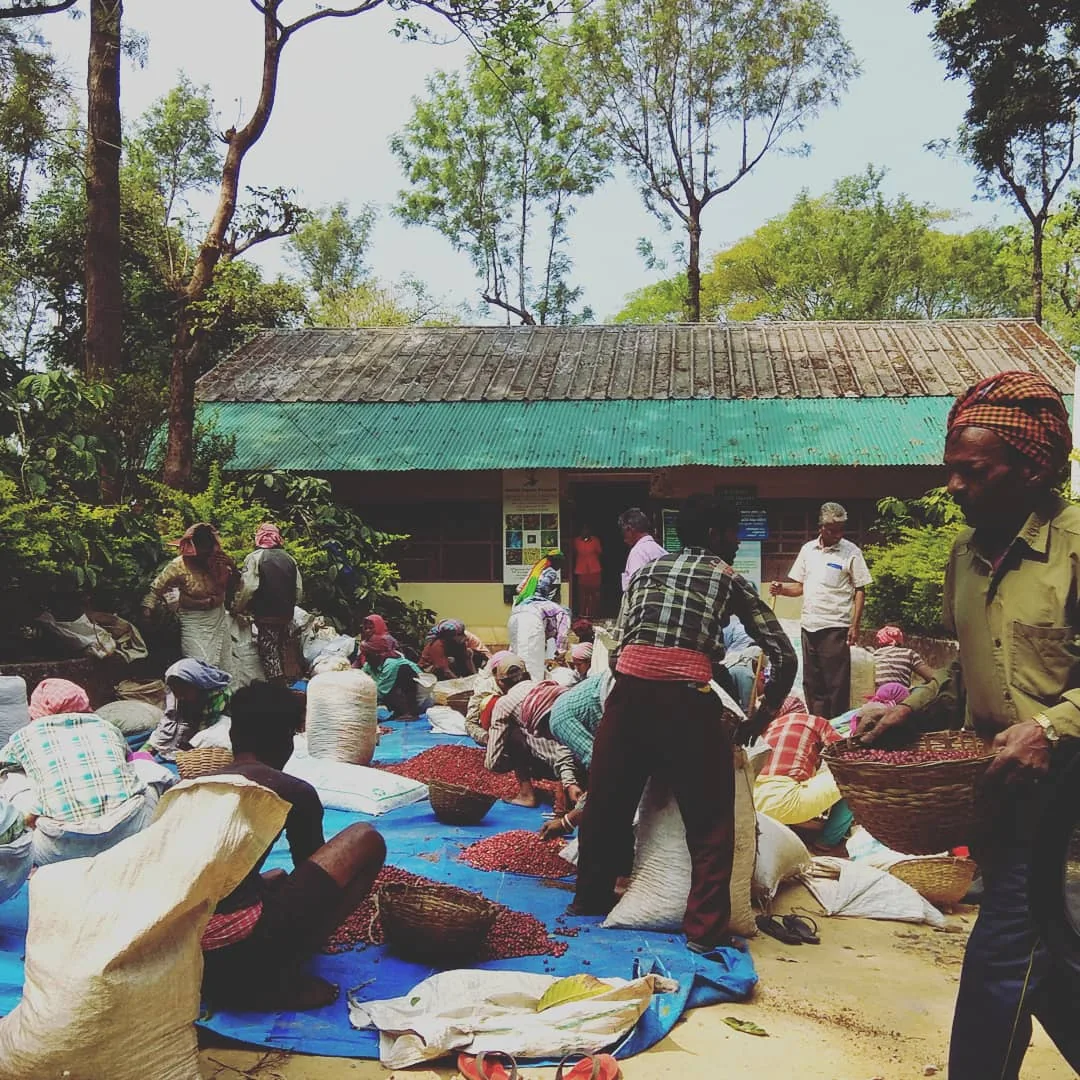
We look for equipment suited to the drinks a café offers: an appropriate grinder, a suitable brewer or espresso setup, and attention to the basic tools needed for preparation. Scales, kettles and manual brewers can be as relevant as an espresso machine.
A higher price tag is not a reason for inclusion. A small counter preparing filter coffee can have a clear specialty focus, while a large machine on its own tells us little about the beans being used. The useful question is whether the setup supports the coffee programme.
Equipment photographs and published information help explain a place’s approach. They cannot establish how equipment is maintained every day, or how consistently every drink is prepared. We keep that distinction clear.
The people behind the counter matter
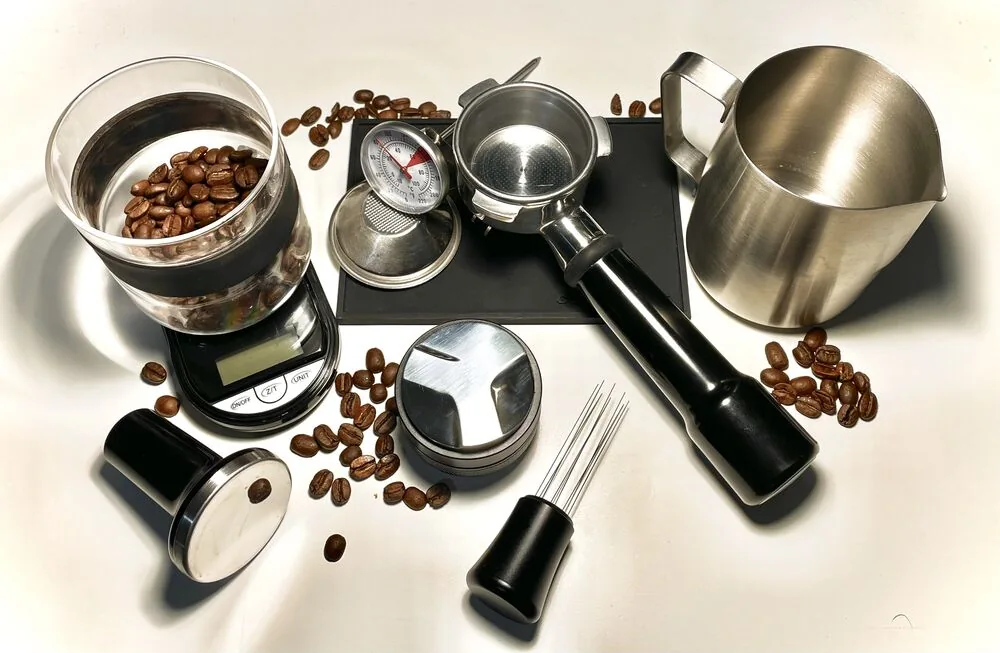
We also look for evidence that the people behind a café understand the coffee they have chosen. That might appear in a conversation about their roaster, a menu explaining different coffees, a cupping, or a thoughtful account of why they serve a particular lot.
This does not require complicated language. A useful explanation can be as simple as naming the coffee and describing how it differs from another option. Customers should have a starting point for asking questions, whether they are ordering their first filter coffee or looking for a bag to brew at home.
Those conversations are part of what makes a coffee community worth documenting. Our Kozhikode coffee culture story follows some of the places where that exchange happens.
Follow the connection back to the producer
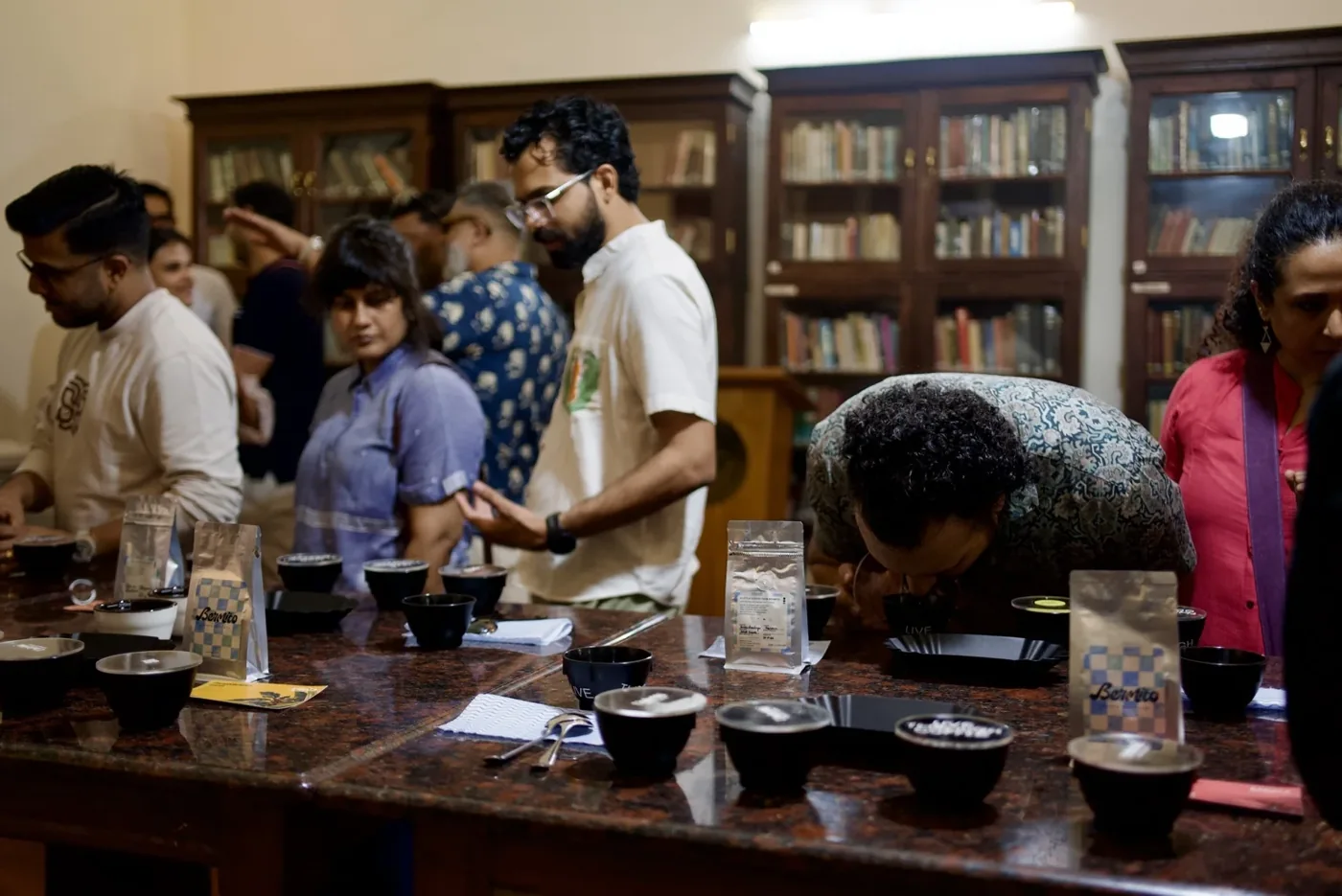
The map includes more than cafés. Roasters help you understand how coffee is selected and developed; producers show where that story begins. Workshops, cuppings and community events offer ways to learn from the people doing the work.
Each connection needs its own description. A café selling another company’s beans is a stockist, not necessarily a roaster. A roaster using a producer’s coffee for one seasonal lot does not establish a permanent arrangement. A collaboration at an event tells you about that occasion.
Our producer stories and Keralam coffee guide help you explore these relationships without losing the names behind the beans.
What a listing means for your visit
Inclusion identifies a relevant specialty coffee connection. It is not a rating of hospitality, service, food, atmosphere or a barista’s technical ability. It also cannot promise that every visitor will enjoy every cup. Taste, recipes, staff and available coffees can change.
Use a listing to decide where to explore, then check the current menu and visiting details with the business. A place missing from the map may simply be an entry we have not verified yet. This is a growing directory, not a claim that we have visited every coffee business in Kerala.
Help us keep the map useful
Our listing standards explain the directory’s approach to sources and corrections. Public business information, producer accounts and clearly identified local information help us maintain the entries. Where a detail is uncertain, it should remain labelled that way.
To suggest a place or a correction, send its name, location, official website or social profile, and a short explanation of its coffee programme to contact@specialtycoffeekerala.com. Details about the beans, roaster and brewing setup are especially useful.
Start with the coffee directory, choose a place that interests you, and ask about what is being brewed today.
This article explains the map’s editorial approach. AI tools assisted drafting and translation. Photographs are credited and captioned with their source context.