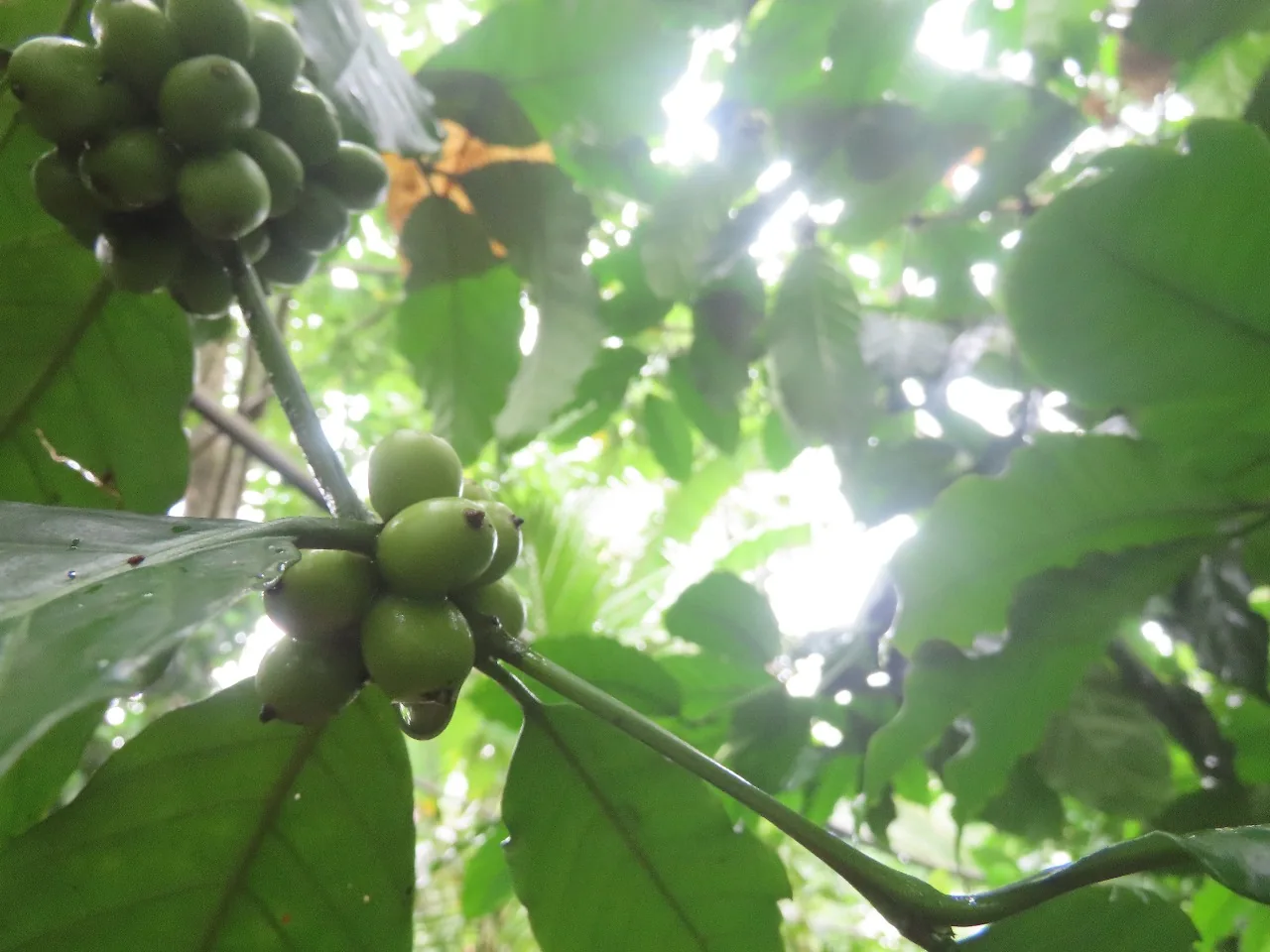
Start with the name behind the coffee
A familiar café or roaster may introduce you to a coffee, but its story begins further back. Someone has looked after the plants, chosen when to pick the cherries and decided how to prepare and dry the harvest. Knowing that producer’s name gives you a way to follow the coffee beyond the bag.
Keralam’s producers do not share one landscape or one approach. The stories below include family estates, a farming community, a conservancy and a processing project. They are starting points for discovering Keralam-grown coffee, not a ranking or a claim that every lot from an estate is specialty grade.
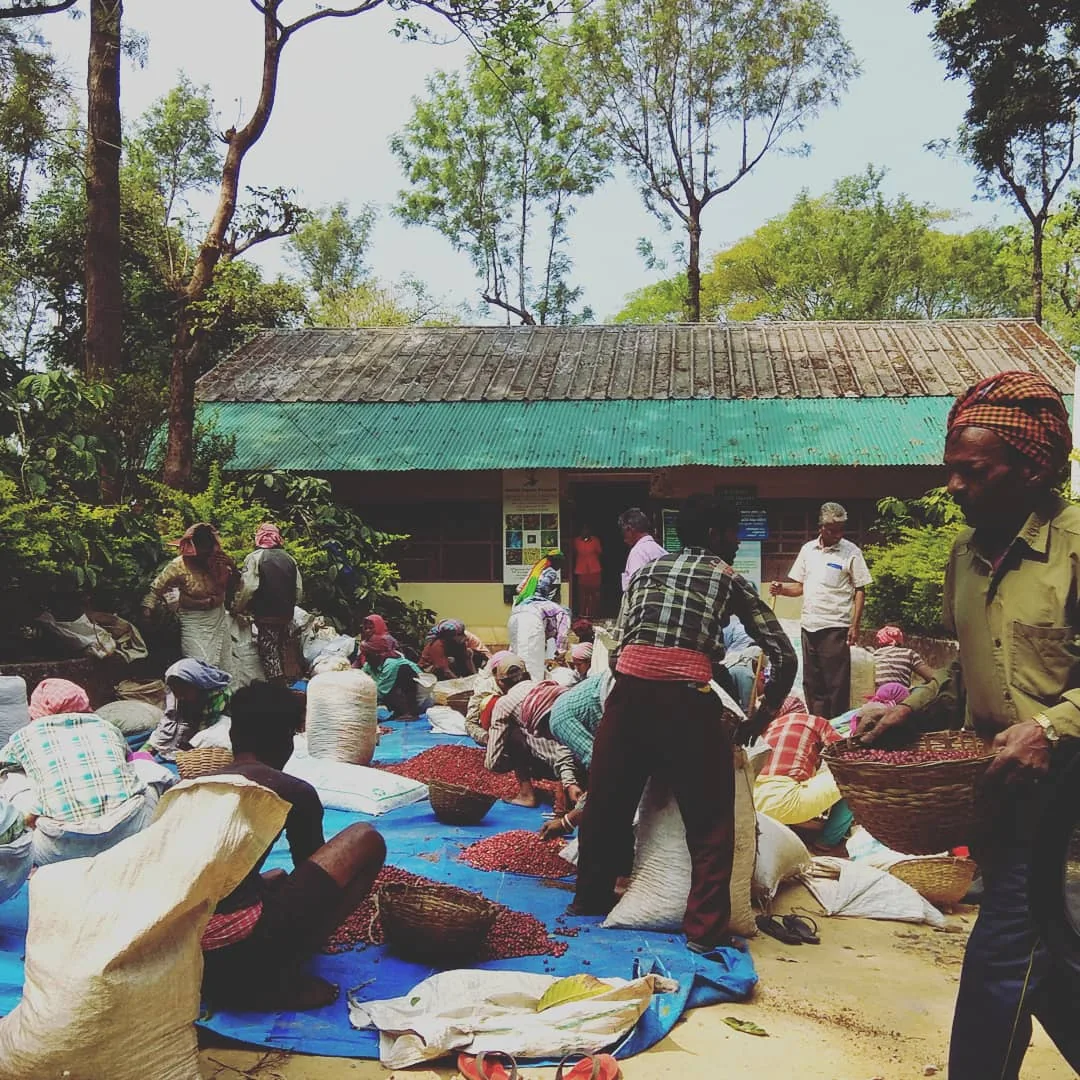
How Kerala Origins brought the coffees to one table
On 25 June 2026, Bermito Coffee Roasters, Terra Vagamon Conservancy, Silent Valley Estate and On Ground Farm came together to form Kerala Origins. Co-founders Vajid Kaitha Valappil, Ephrem Joseph, Moideen Kalladi and Nihal Parambath brought roasting and producer experience into the same initiative. [1]
The first gathering took place at Sukoru Specialty Coffee in Kozhikode on 11 July 2026. A Kochi showcase followed at Cochin Club, Fort Kochi, on 10 October 2026. Tasting was accompanied by conversations about the origins and work behind each coffee. [2] [3]
Those tables gave visitors something a label alone cannot: the chance to ask questions while tasting. For producers, the purpose is recognition that stays attached to their names and coffees. Kerala Origins’ wider directory offers more leads than any single event programme.
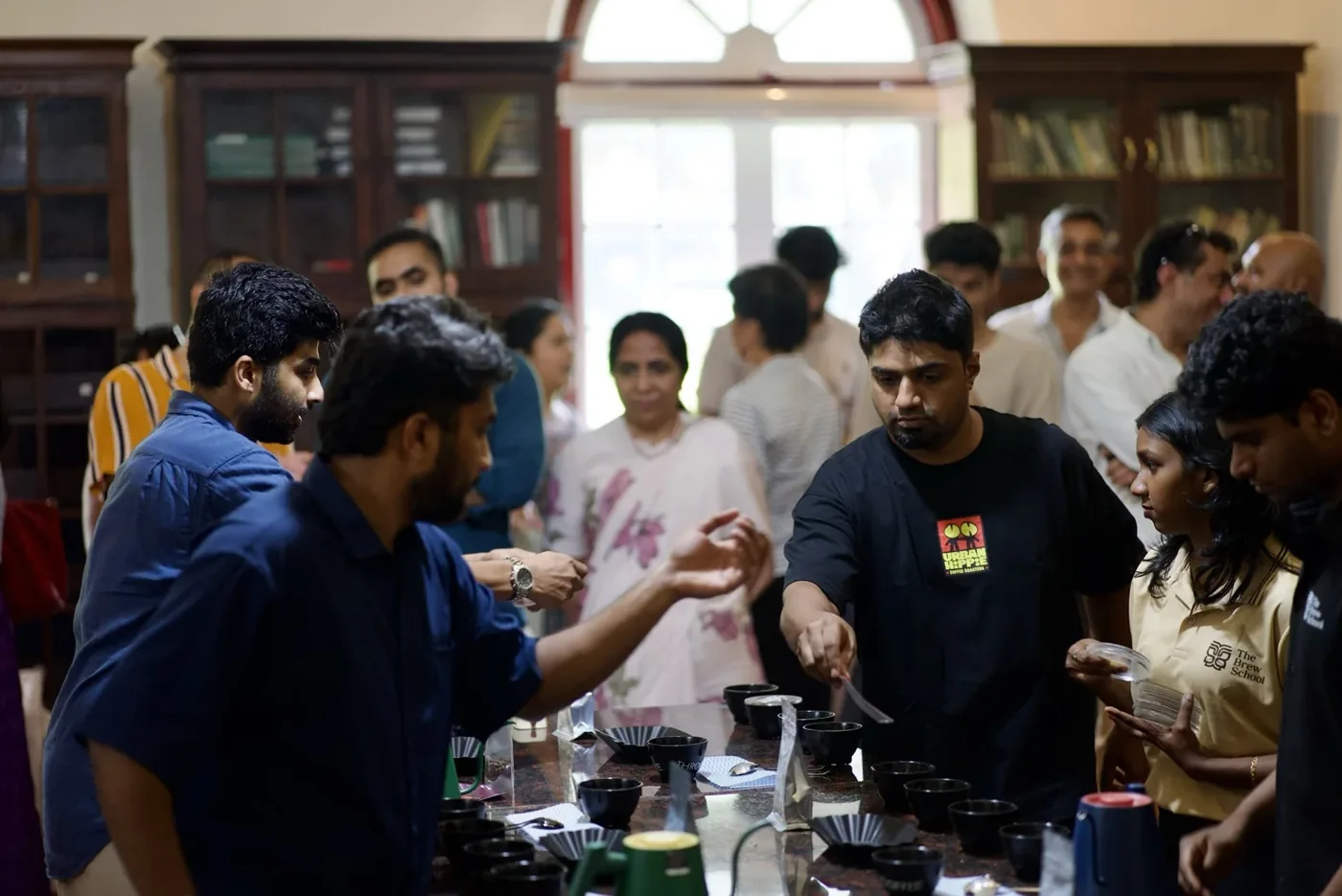
Eleven estate and producer stories
Devi Estate / Devi Plantations — Wayanad
An earlier online description from Jain Foods linked Devi Plantations with a family tradition of growing coffee and spices in Wayanad, identifying the estate as the source of its single-origin coffee at that time. The current coffee range and sourcing relationship have not been confirmed. Ask for the producer and origin of the specific lot before buying. [4]
Pampadumpara Estate — Idukki
Pampadumpara’s coffee history grew out of an older cardamom estate. InterAmerican Coffee records its transfer to the MSP family in 1946 and the introduction of coffee in 1965. Kerala Origins’ Kochi programme featured its washed Arabica, bringing that longer planting history to a contemporary tasting table. [5] [3]
Vernacular / Komban Kampini — Wayanad
Komban Kampini’s work with smallholder Robusta and experimental processing offers a different kind of producer story. Rather than treating a single estate as the whole origin, it gives attention to the relationship between growing and processing. Vernacular’s anaerobically processed Robusta featured in the Kochi programme. Credit the grower and processor separately when following an individual lot. [6] [3] Explore Komban Kampini.
Thumpassery Estate — roasted by KoffyKraft
KoffyKraft’s estate material documents living-root planting at Thumpassery, a small glimpse of the farming work behind the coffee. The organiser’s supplied tasting notes credit the showcased coffee as roasted by KoffyKraft. Its roasting base is Karavaloor, near Punalur; that address should not be mistaken for the estate’s location. [7] [13]
Windermere Estate — Munnar
Windermere is a working coffee and cardamom estate in Munnar, where hospitality exists alongside farming. Its coffees connect with both Kerala Origins showcases, including naturally processed Arabica in Kochi. Looking beyond the accommodation reveals another part of Munnar’s agricultural life. [12] [3] Explore Windermere Estate.
Rose Garden — Meppadi, Wayanad
Established in 1967, Rose Garden is described by the Coffee Board as a farming community growing Robusta alongside fruit trees and spices. Its account includes rainwater harvesting, drying facilities and washed and honey-processed coffees. These everyday decisions about water, planting and preparation are as important to its story as the finished cup. [8]
On Ground Farm — Wayanad
Nihal Parambath’s On Ground Farm is one of the producer partners behind Kerala Origins. Its connections with the Kozhikode and Kochi showcases put it on both sides of the gathering: contributing coffee and helping build the platform through which people discover it. [11]
Silent Valley Estate — Attappadi, Palakkad
Moideen Kalladi’s Silent Valley Estate is another co-founding producer partner. Kerala Origins records anoxically processed Arabica and Robusta in its Kochi programme. Tasting the two species together offers a way to discuss how a producer approaches different coffees, rather than reducing the estate to a single flavour. [3] [11]
Terra Vagamon Conservancy — Vagamon
Ephrem Joseph’s Terra Vagamon Conservancy places land restoration at the centre of its account. The producer describes rebuilding native tree cover on a former lumber-camp hillside from the mid-1990s. Arabica, Robusta and Excelsa grow beneath that canopy, with washed and natural lots among its approaches. [9] Explore Terra Vagamon.
Poabs Seethargundu — Nelliyampathy
Poabs Seethargundu’s published history describes the recovery and replanting of an estate, followed by a decision to adopt biodynamic practices in 2000. Its coffee-processing facilities form part of that longer development. Washed Arabica from the estate appeared in Kerala Origins Kochi. [10] [3] Explore Poabs Seethargundu.
Kuruvinakunnel Estate — Idukki
Kuruvinakunnel was a farm collaborator in Kerala Origins Kochi. The organiser’s supplied lot details identify washed Arabica from Vandanmedu, Idukki. It is a useful introduction to an origin with less published information: start with the named coffee, then ask the producer or roaster about the harvest and process. [11]
More names to follow
Kerala Origins’ current directory also records Woodlands Estate, with co-fermented coffee in the Kochi programme; Krishnagiri Estate in Wayanad, led by Gayathri M S and working with canephora; and Puliyarmala Estate, featured at the Kozhikode gathering. These are additional leads, not interchangeable names for the estates above. [11]
Beyond those showcases, Old Babbler Coffee offers another route into Wayanad coffees through its work with selected estates and small-scale growers. Ask which estate and lot are in the particular bag you are considering. [14]
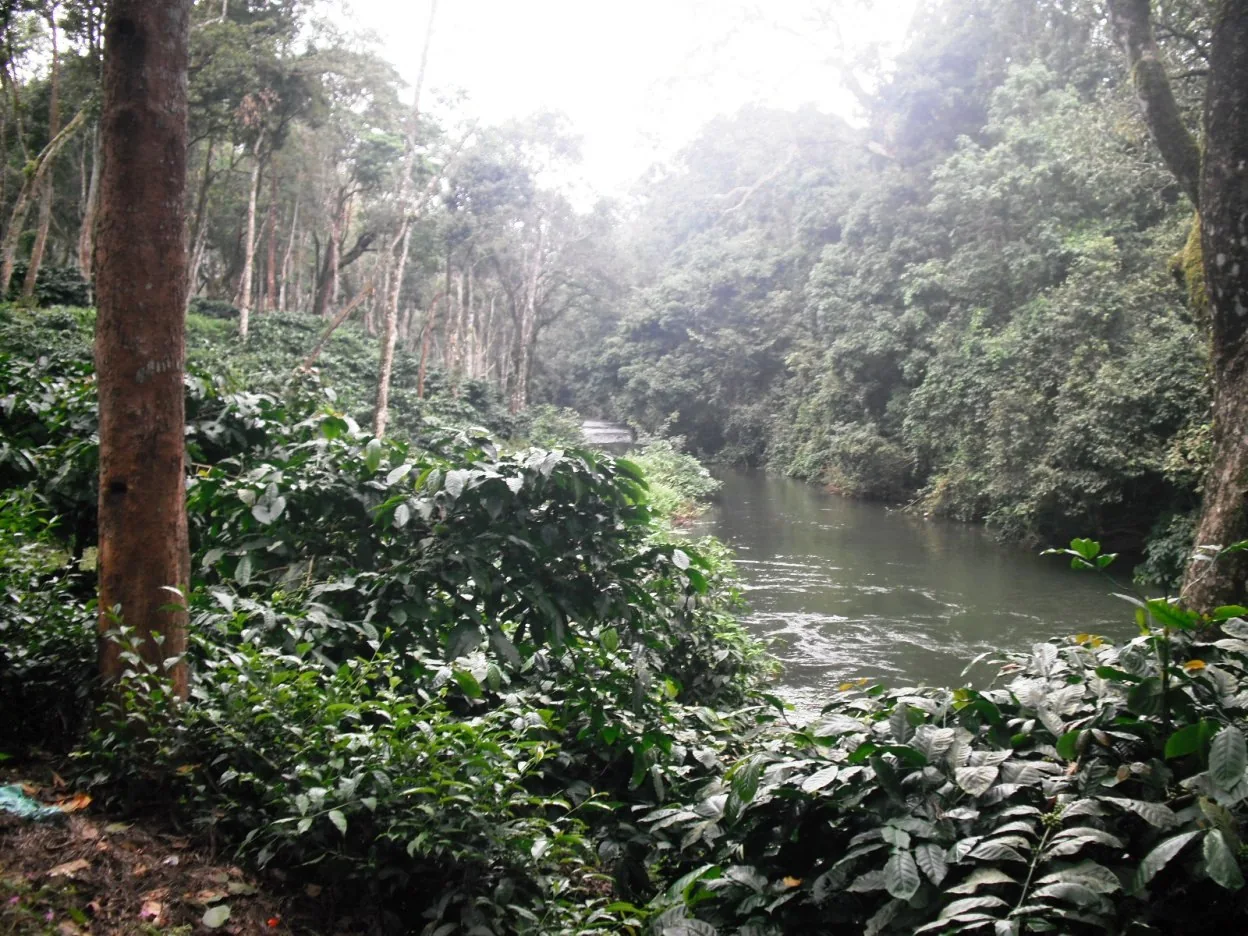
Keep the producer’s name with the coffee
Growing, processing, roasting and serving are different contributions. A useful coffee label can credit all four without suggesting that every business involved owns the farm. Ask for the estate or producer group, the harvest, the processing method and the roaster.
That is also a practical way to support producer recognition. Share the farm’s name when you recommend a coffee. Save the lot information after a cupping. If you buy for a café or roastery, ask what can be traced back to the producer and what may change with the next harvest.
Find the coffee, then plan the visit
Not every estate receives visitors. Contact the producer before travelling and confirm permission, the meeting point and the format of the visit. A public cupping or producer conversation can be a better first introduction.
Explore Keralam’s farms and producers, meet the roasters working with their coffee, or read about Kozhikode’s growing coffee community. The most useful question is often the simplest: who grew the coffee in this cup?