Kerala Coffee Festival and the wider community
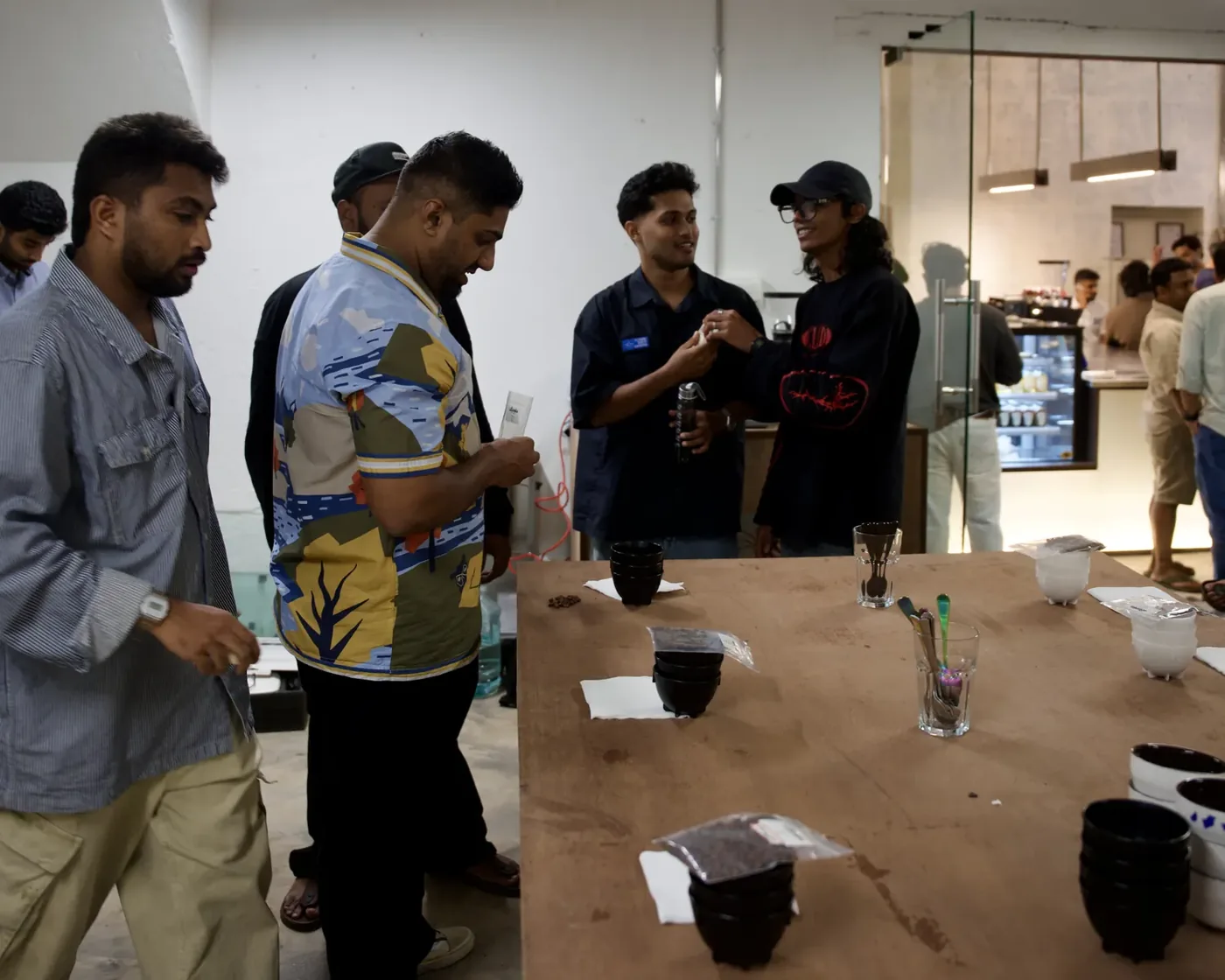
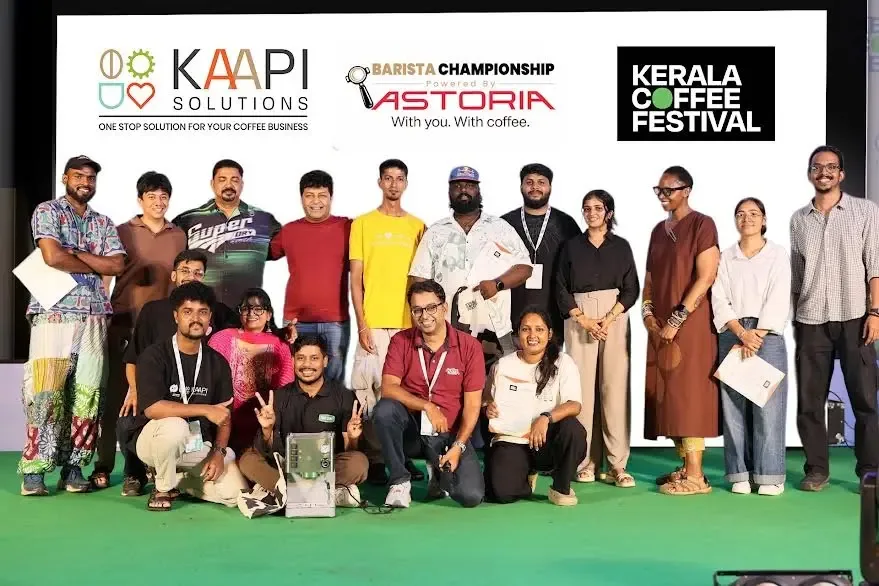
Kerala Coffee Festival is an initiative centred on roasters, brewers, cafés and coffee drinkers. It offers a setting for discovering coffees, meeting the people preparing them and taking part in coffee experiences. [1]
Its role is different from the producer-focused work of Kerala Origins, whose tastings connect Keralam-grown coffees with the estates and people behind them. Both belong to the wider community, without serving the same purpose. [3]
Brewing competitions add another format. A V60 event, for example, has its own rules and competitor entry; a general festival ticket does not necessarily include it. [2]
Use the Keralam coffee events calendar and organisers’ official pages for dated listings, venues and registration. This guide focuses on what each kind of gathering offers, so it remains useful after an individual event ends.
Festival, cupping or workshop: which should you choose?
A festival can be a good introduction if you want to meet several businesses and explore different parts of coffee in one visit. Look at the programme before choosing a day. A trade-focused session and a public tasting may serve very different audiences, even when they share a venue.
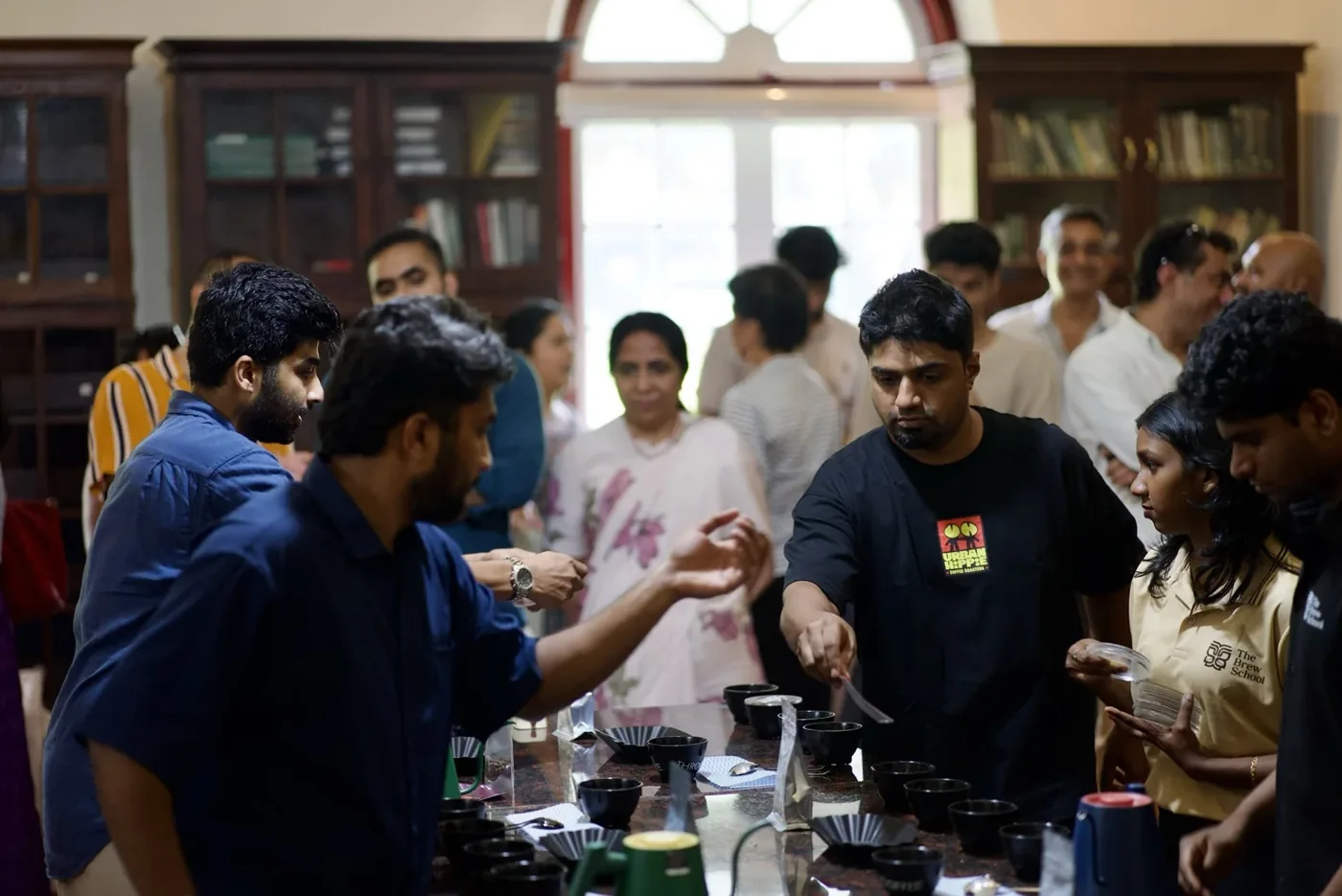
A cupping is a structured tasting. Ask whether beginners are welcome, whether someone will explain the format, and whether the session focuses on a particular origin or producer. You do not need an elaborate flavour vocabulary to ask questions and describe what you notice.
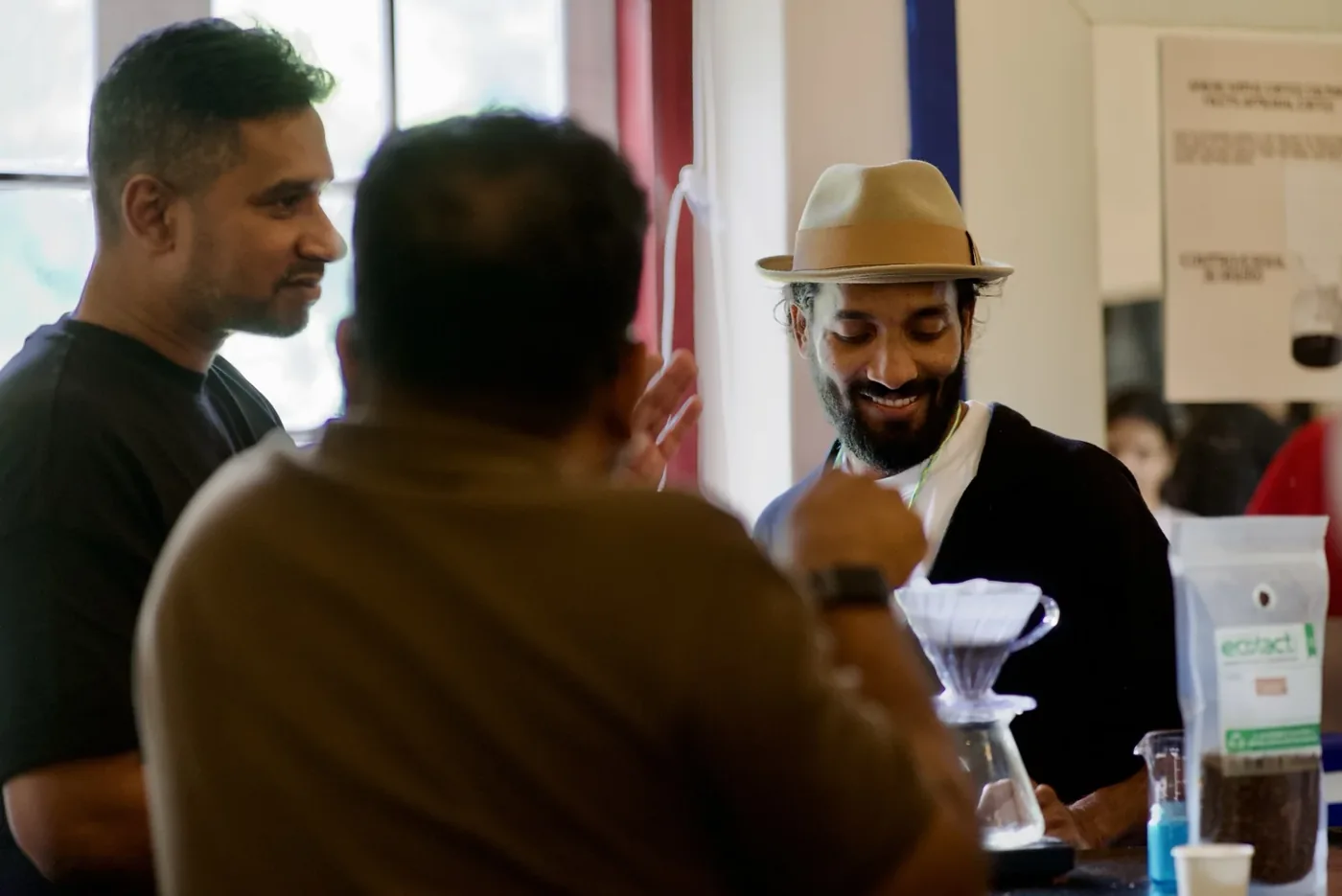
A workshop is a better fit when you want to practise a skill. Check whether you will brew yourself or watch a demonstration, whether equipment is provided, and how much time is available for questions. A smaller session may suit that goal better than a busy exhibition.
A competition has its own rules, eligibility and schedule. Spectator access and competitor entry are different arrangements. Read the relevant rules before bringing equipment or assuming a festival ticket includes a competition place.
Five things to confirm before booking
- The exact day and venue. Save the organiser’s address and contact route, not just a forwarded poster.
- What the ticket includes. Ask whether workshops, tastings or competition entry require a separate booking.
- Who the session is for. Check beginner access, language, age restrictions and any trade-only conditions.
- Practical access. Ask about step-free access, seating, transport and any requirements that matter to your visit.
- Changes and cancellations. Read the organiser’s terms and check for a final update before leaving.
Save the confirmation and the official programme on your phone. If a date or venue differs between the organiser’s page and a directory, contact the organiser rather than assuming the older listing still applies.
A simple plan for your first coffee event
Choose one main aim: taste Keralam-grown coffee, learn a brewing method, or meet a roaster or brewer. Leave room for conversation instead of trying to attend every session. Take notes on the producer, roaster and coffee name so that a cup you enjoyed does not become an unidentified memory.
Before buying beans, ask whether you are purchasing the same coffee you tasted, which grind suits your brewer, and how the seller suggests preparing it. If you want to compare coffees later, photograph the label with permission and keep the receipt or product link.
For café owners, useful questions include wholesale availability, minimum orders, training and the ability to supply the same coffee consistently. A producer-focused gathering may instead offer conversations about harvests, processing and buyer requirements. Neither conversation needs to begin with a sales pitch.
Keep exploring between events
A festival is one way into the community, not the only one. Use the map to find Keralam coffee roasters and producers, then follow their own announcements for smaller sessions. A farm listing alone is not an open invitation to visit.
For a city coffee stop around an event, use the Kozhikode guide or Kochi guide. Confirm hours directly and allow time between a scheduled session and any café visit. If you are still finding your bearings, our Keralam coffee guide explains the difference between where a coffee is grown, roasted and served.